

Novel Technology Summary
The NEXTLOOPP recycling process is a sequence of mechanical recycling technologies to produce a decontaminated recycled polypropylene. The process uses a pre-sorted feedstock of post-consumer PP from collection processes compliant with EU Reg 2022/1616 Article 6. The feedstock for the decontamination process is derived from 95% PP packaging previously used for food products, which is suitably granulated, washed, dried and flake sorted for the decontamination process. The first decontamination involves removal of volatiles under vacuum in the melt phase of PP. The extrudate is then melt filtered and pelletised for processing at a second decontamination step. The second decontamination step uses a heated vessel under vacuum for a period of time to remove further volatile materials. The recycled PP output is intended to be used for any food types under long term storage at room temperature or below, including hot and cold fill conditions.
Compliance Monitoring Summary Sheet Template
6-Monthly Monitoring Reports
There are currently no 6-monthly monitoring reports
Recycling Facilities
|
Name of Recycling Facility |
RFN |
RIN |
Address of facility location |
Contact Information |
|
Gneuss Bad Oeynhausen |
DEA-BSJ-2F2 |
DEA-HXI-2IJ |
Mönichhusen 42 32549 Bad Oeynhausen Germany |
Andrew Prangnell andrew.prangnell@gneuss.de +49 5731 5307 28 |
|
NGR Feldkirchen |
AT3-FZA-2FS |
AT3-BR8-2I5 |
Gewerbepark 22 4101 Feldkirchen Austria |
Wolfgang Roland wolfgang.roland@ngr-world.com +43 664 885 873 20 |
Mission
Creating circular food-grade recycled polypropylene from post-consumer packaging
Making an Impact Across the Globe
Join the food-grade recycled PP
multi-client project
Or alternatively please email: info@nextloopp.com
NEXTLOOPP BLOG




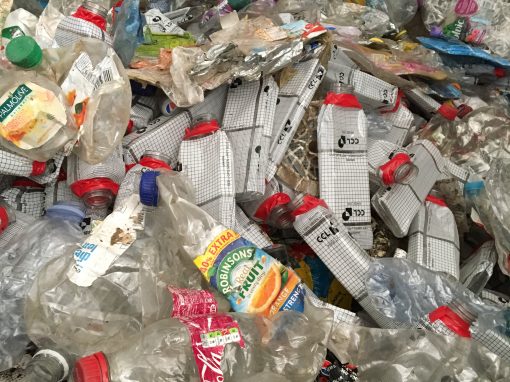


Current challenges facing the industry
The European Food Safety Authority (EFSA) requires the infeed material to have previously been used with food. This is due to the fact that up until now, the major barrier to increasing recycled content has been recyclers inability to mechanically differentiate between PP bottles that once contained chemical products from those containing food.